

Disease Ecology
Information on Phytophthora ramorum biology, disease symptoms, transmission, and the ecological behavior of Sudden Oak Death.
Understanding the biological mechanisms of Phytophthora ramorum is the first step in combating Sudden Oak Death. This category explores how this devastating water mold spreads through coastal ecosystems, moving beyond basic tree care to examine pathogen dynamics in soil, rain splash, and host canopies. You will learn to recognize early warning signs on vulnerable tanoaks and coast live oaks, translating complex disease ecology into practical field observation.
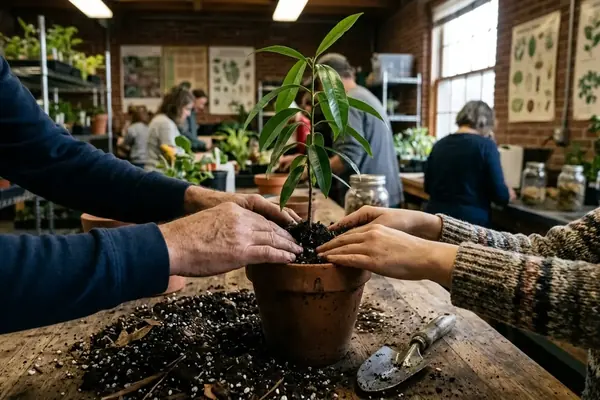
Bay Laurel Deserves Better Than Villain Status: A Case for Nuanced Host Ecology
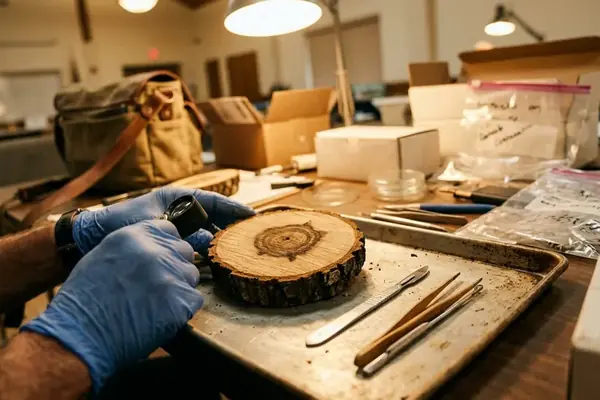
The Big Sur Outbreak: Lessons from a Decade of SOD Spread in a Coastal Redwood-Tanoak Forest
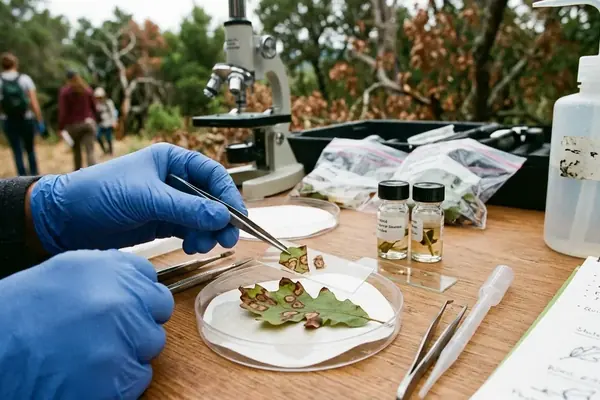
Understanding Phytophthora ramorum: The Pathogen Behind Sudden Oak Death
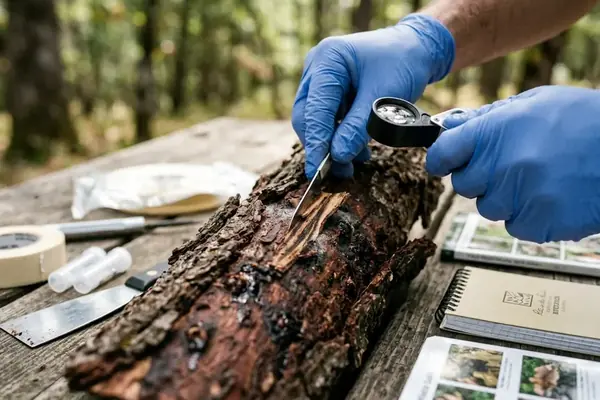
How to Identify Sudden Oak Death Symptoms on Tanoaks and Coast Live Oaks
Community feedback indicates that recognizing the subtle differences between drought stress and early P. ramorum infection drastically improves local monitoring efforts. By mastering these ecological principles, you become a critical line of defense in protecting native oak woodlands.
Effective disease management relies on accurate observation and strict sanitation protocols. Whether you are a land manager coordinating regional surveys or a homeowner protecting a single heritage oak, applying this biological knowledge directly reduces the risk of accidental pathogen transport.