
Why California’s Oak Canopy Needs More Than a May Snapshot
SOD Blitz surveys should pair their main May event with targeted early- and late-spring observation windows. Tracking Phytophthora ramorum, the pathogen responsible for Sudden Oak Death, requires attention to the weather that drives disease activity. A calendar date alone cannot capture that seasonal pattern.
A single public collection weekend produces a concentrated view of woodland conditions. Early coastal wet periods can precede it; late rain can follow it. When neighboring areas receive attention under different weather conditions, a regional disease map can reflect survey timing alongside disease distribution.
That matters for woodland conservation. Communities use survey results to understand nearby disease activity and guide management & prevention. The timing behind each observation deserves the same care as its location.
The practical response is a hybrid schedule: retain an anchor community Blitz in May, then assign small sentinel teams to an early spring window and a conditional June check. Here, rolling coverage means coordinated visits across spring, with each visit tied to a clear purpose.
Keep the public event recognizable. Shift the specialist work around it.
The community need is broader seasonal coverage; the program response is a split-window calendar. Organizers can assess its contribution by tracking completed visits, usable submissions, geographic coverage, and the observations contributed by each window. Those measures give the next season’s planning meeting something concrete to examine.
How Spring Rain Changes What a Survey Finds
California bay laurel sits at the center of this timing problem. Its infected foliage supports pathogen activity, and warm, wet spring conditions influence when that activity occurs. Disease ecology therefore belongs in the scheduling discussion before volunteer invitations go out.
Early Wet Weather Can Leave a Faint May Signal
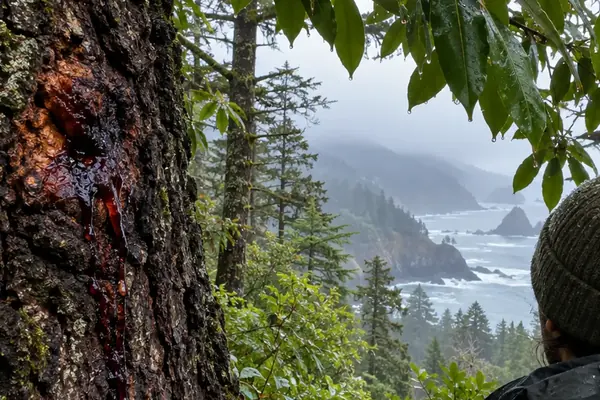
An early warm rain can create favorable conditions for pathogen activity while much of the public survey effort still lies ahead. A subsequent dry spell changes the condition of affected foliage. Lesions can dry, and recovering the pathogen from that material becomes more difficult.
The consequence reaches beyond an individual submission. If dry inland transition areas receive attention mainly after foliage has dried, their survey results may differ from coastal sites visited during wetter conditions. Reading those results together requires the collection date and recent weather context.
An early sentinel window gives organizers a way to document those places closer to the relevant weather event. Its value comes from purposeful coverage of previously selected locations.
Late Rain Can Arrive After the Public Event
The opposite sequence creates another gap. A May Blitz finishes, packets enter the diagnostic workflow, and a later storm brings renewed wetness to a localized part of the survey area. North-facing slopes or higher-elevation locations may warrant another look.
A conditional late window keeps that possibility on the calendar without committing the entire volunteer network to another outing. Organizers review local conditions and decide whether the reserved visit has a clear purpose.
Across both situations, the analytical question stays consistent: what conditions did each survey window actually observe? Keeping the windows distinct helps spatial analysts interpret the seasonal record.
Why the May Weekend Still Earns Its Place
For a homeowner joining a first SOD Blitz, a single date answers several immediate questions: when training happens, where materials come from, and when the assignment ends. That clarity makes participation manageable.
It also helps organizers. One anchor event concentrates publicity, training, packet distribution, and diagnostic intake into a coordinated effort. Those are substantial advantages when a program depends on community participation.
The scheduling challenge begins when every participant receives an expanded assignment. Repeated training dates and return visits add travel, coordination, and follow-up work. A volunteer who can contribute one well-planned morning may have little room for a season-long commitment.
The pathway forward is role separation. General volunteers retain the main community event. Experienced returning participants, naturalists, or designated staff take on the narrower sentinel role, with a clear route and a specific reporting responsibility.
Diagnostic capacity remains the planning boundary: spreading visits across spring must fit the receiving program’s agreed seasonal allowance and intake schedule. Organizers should settle that agreement before reserving packets or announcing additional dates.
This preserves the strongest feature of the single-weekend model: a straightforward invitation to participate. The calendar gains seasonal reach while the public commitment stays understandable.
Give Each Spring Window a Different Job
A rolling Blitz works best when each window answers a distinct field question. Repeating the same broad invitation throughout spring creates administrative work without necessarily improving coverage.
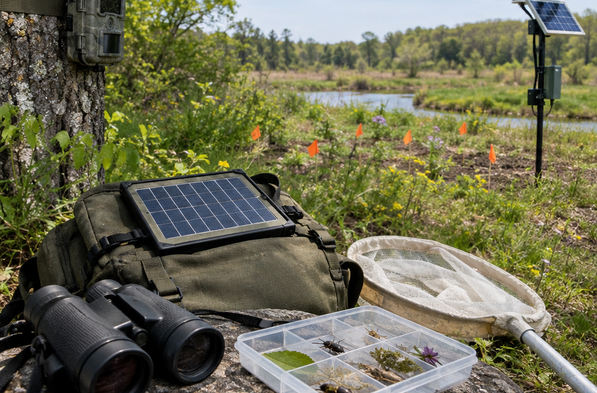
March and April: Watch Selected Early-Season Locations
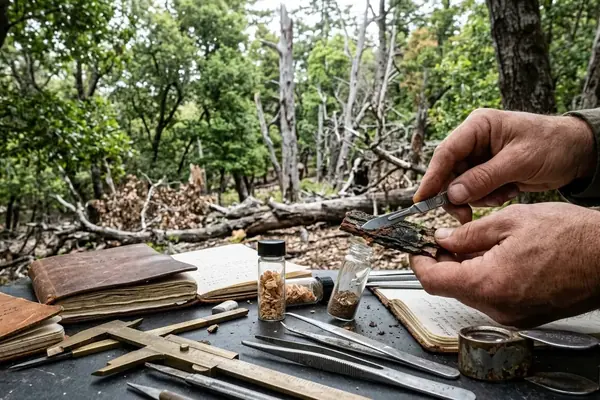
The early window belongs to a small, designated team. Its assignment is to revisit agreed locations, document conditions, and follow the established survey program’s instructions for any diagnostic submission.
Known creek corridors and other previously identified areas of concern can provide continuity between seasons. Select locations with an explicit monitoring purpose, agreed access, and a reliable way to return to the same observation point.
Reserve a modest share of the seasonal packet allocation for this work. Give the team a contact person and a reporting deadline before the first visit.
May: Keep the Community Blitz Broad and Welcoming
The May event remains the public anchor. It carries the main responsibility for broad geographic coverage, community education, and introducing homeowners to Sudden Oak Death monitoring.
Training should explain where the assignment fits within the spring calendar. Volunteers benefit from knowing that designated teams handle the earlier and later checks. Their own task can stay focused on the main event.
Protect this window’s allocation first when planning public participation. A larger calendar should support the community effort that makes SOD Blitz surveys useful across a region.
June: Activate a Targeted Follow-Up When Conditions Warrant
The late window serves a narrower purpose. Organizers review late-spring precipitation and decide whether selected higher-elevation or north-facing locations merit follow-up.
Keep the team compact and the route specific. Reallocate unused packets only after confirming the receiving program’s arrangements. The decision should identify the question a return visit will answer and the person responsible for closing out the record.
Together, these roles distribute the work: early context, broad public coverage, and a conditional late check.
Build a Split-Window Pilot Around One Trail Network
Start with a trail network that organizers already know. Familiar access points, established routes, and returning volunteers make it easier to test the calendar without changing every part of the survey at once.
Before engagement, settle responsibilities and the packet allocation. During the visits, keep window labels consistent. After intake, reconcile what happened against the plan.
- Confirm the receiving program’s arrangements. Agree on approved survey activities, submission requirements, intake dates, and the seasonal allocation before assigning fieldwork.
- Divide the packet supply on paper. Set aside modest early- and late-window reserves while keeping the main allocation with the public May event. Record who can authorize moving unused packets between windows.
- Assign people to named responsibilities. Identify an early sentinel lead, a May event coordinator, and a late-window decision-maker. One person may hold several responsibilities, provided each has a clear owner.
- Adopt visible window labels. Use W1 for March and April, W2 for the May anchor, and W3 for June as local planning codes. Put the code on the field record and, where the receiving program permits, beside the existing identifier on the envelope. Preserve the program’s original labeling requirements.
- Keep the metadata together. Record the visit date, approved location reference, team identifier, window code, and relevant weather observations. Carry the same identifiers into the digital record.
- Reconcile intake before mapping. Check that each accepted submission retains its window code. Resolve mismatched identifiers while the field team can still explain the visit.
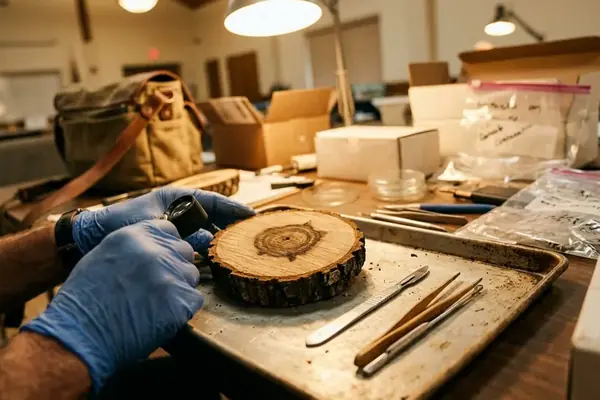
The pilot’s first review should compare planned visits with completed visits and show what each window contributed. Keep early sentinel observations separate from the May community layer before examining them together. That makes the seasonal sequence visible and gives organizers a practical basis for adjusting the next calendar.
At a damp trailhead in late March, two veteran volunteers open the route sheet after a warm rain. One checks the location reference; the other writes W1 beside the visit identifier. The May flyers are still awaiting print, and the spring record already has its first dated entry.

Your Thoughts
No comments.
Leave a Comment